Evidence
We investigate.
We examine technical evidence, regulatory filings and real world data, and engage with stakeholders, experts and affected communities.
We are an independent nonprofit, led by lawyers and working internationally. We investigate pollution and environmental harm, help shape better rules, and act when the law is ignored.
Environmental rules and regulations exist to protect human health and the environment, yet too often they are disregarded without consequence. We are determined to see them enforced.
Those who bear the harm of pollution are seldom those who cause it, and the law is among the most effective means of protecting them. We act on their behalf.
Why we do thisThe smallest particles in polluted air pass through the lungs and into the bloodstream. They are linked to heart disease, stroke, lung cancer and dementia, and they do the most harm to children.
Sources: State of Global Air and Air Quality Life Index 2025.
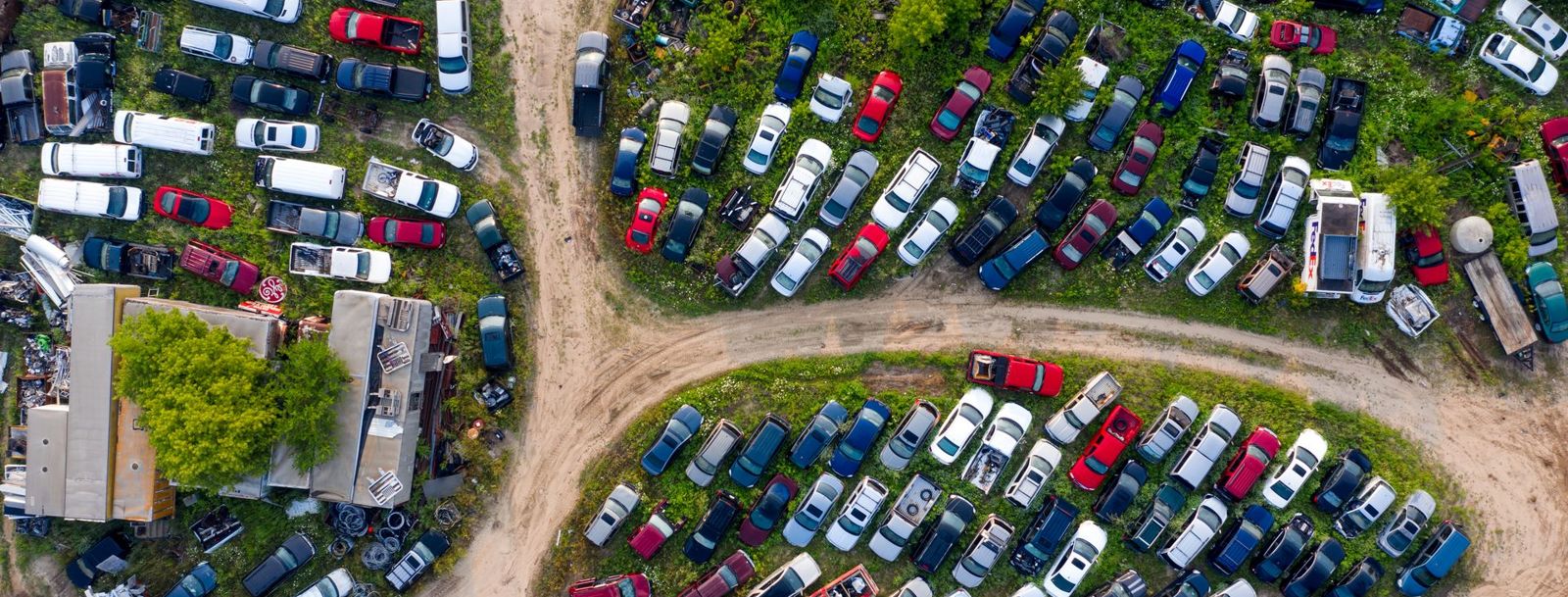
Every vehicle eventually becomes waste. End-of-life vehicles (“ELVs”) are classified as hazardous waste and must be treated accordingly.
In line with the “polluter pays principle”, legislation governing ELVs places onerous obligations on vehicle manufacturers to ensure that their vehicles are designed and manufactured so that they are reusable, recyclable and/or recoverable to a high degree, and that manufacturers put in place treatment networks which ensure their vehicles are ultimately reused, recycled and recovered accordingly.
Enforcement of the ELV legislative framework is key to the attainment of its objectives. New vehicles contain a growing share of plastics, foams and other materials that must be reused, recycled and/or recovered. What is not recovered ends up as shredder residue, and too much of it is landfilled, where it can release PFAS, the persistent “forever chemicals”, and microplastics into the soil and groundwater.
For over four years, Clean Air Association has been investigating the ELV regulatory regime, from how vehicles are designed and approved to how they are collected and treated at the end of their life. We do this to inform the development of end-of-life vehicle regulation and to seek the enforcement of the regulatory framework that already exists.
White paper in preparation. Clean Air Association is preparing a white paper on the end-of-life vehicle framework, which we will publish soon.
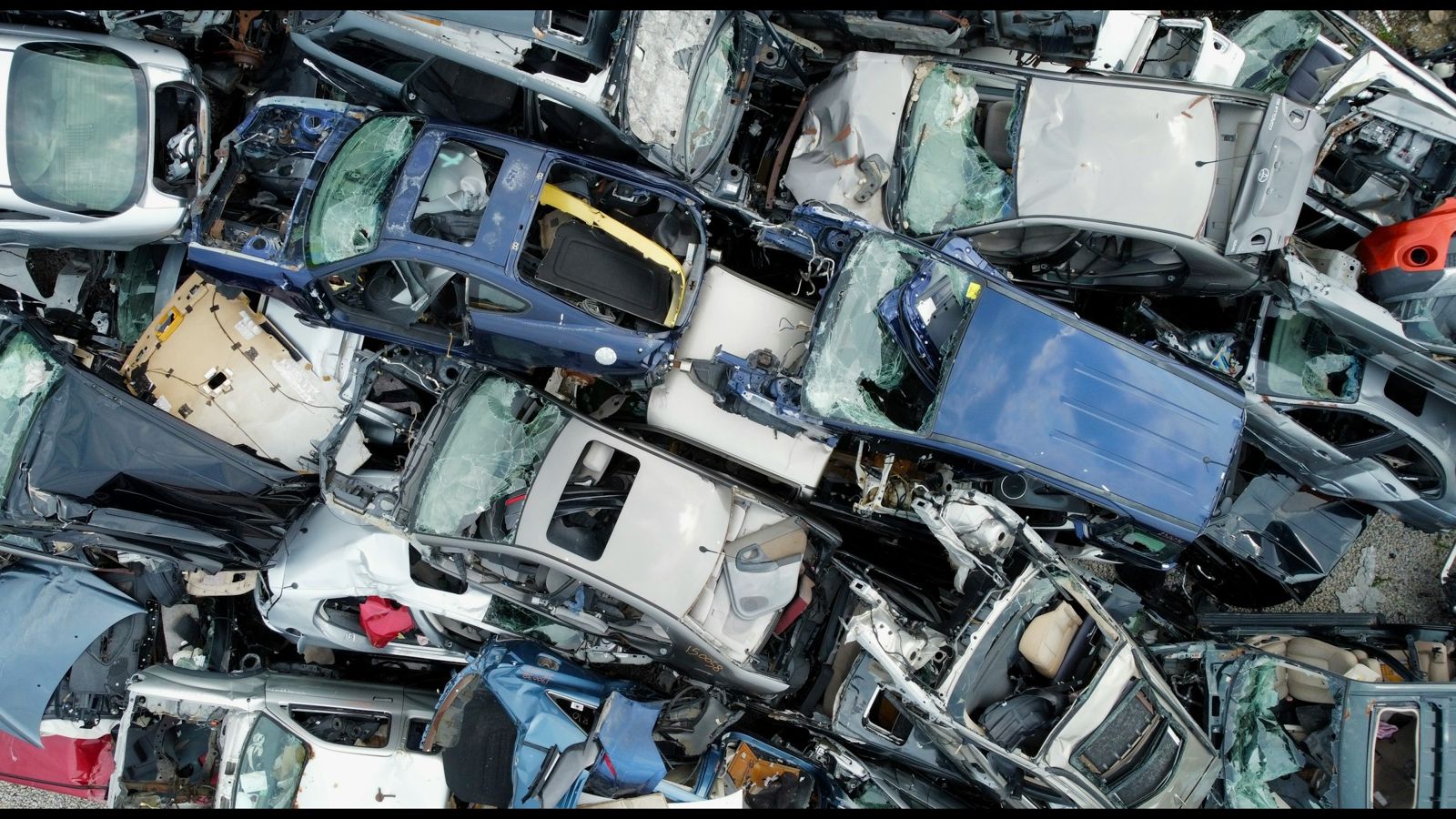
Sources: Directive 2000/53/EC, Article 7(2); European Parliament; European Commission.
We examine technical evidence, regulatory filings and real world data, and engage with stakeholders, experts and affected communities.
Where our findings raise concerns, we engage with regulators, stakeholders, interest groups and international bodies to drive the development of the law.
Where there is a clear lack of enforcement, we represent the public interest and seek the enforcement of environmental law, including through legal action.
Pollution knows no local or national boundary. What is discharged into the air, water or soil in one country can cause harm far beyond it, and the same vehicles, fuels and waste streams move between countries throughout their lives.
That is why the development of harmonised regulatory frameworks across borders is paramount. Our Association works across jurisdictions, with members based in the UK, Europe and Africa, so that we can follow the evidence wherever it leads, develop the law locally and internationally, and prosecute enforcement where it is most needed.
Where our work began. Team members in London and Europe, working on vehicle emissions, end-of-life vehicles and international regulation.
A team presence in South Africa, and a growing focus on partnerships with regional institutions and civil society across the continent.
Home to many of the world's most polluted cities. We welcome approaches from partners who share our aims, wherever they are.
We are solicitors, an economist and a paralegal, based in London, Europe and South Africa. Between us we bring specialist expertise in automotive regulation, environmental and human rights law, and public economics.
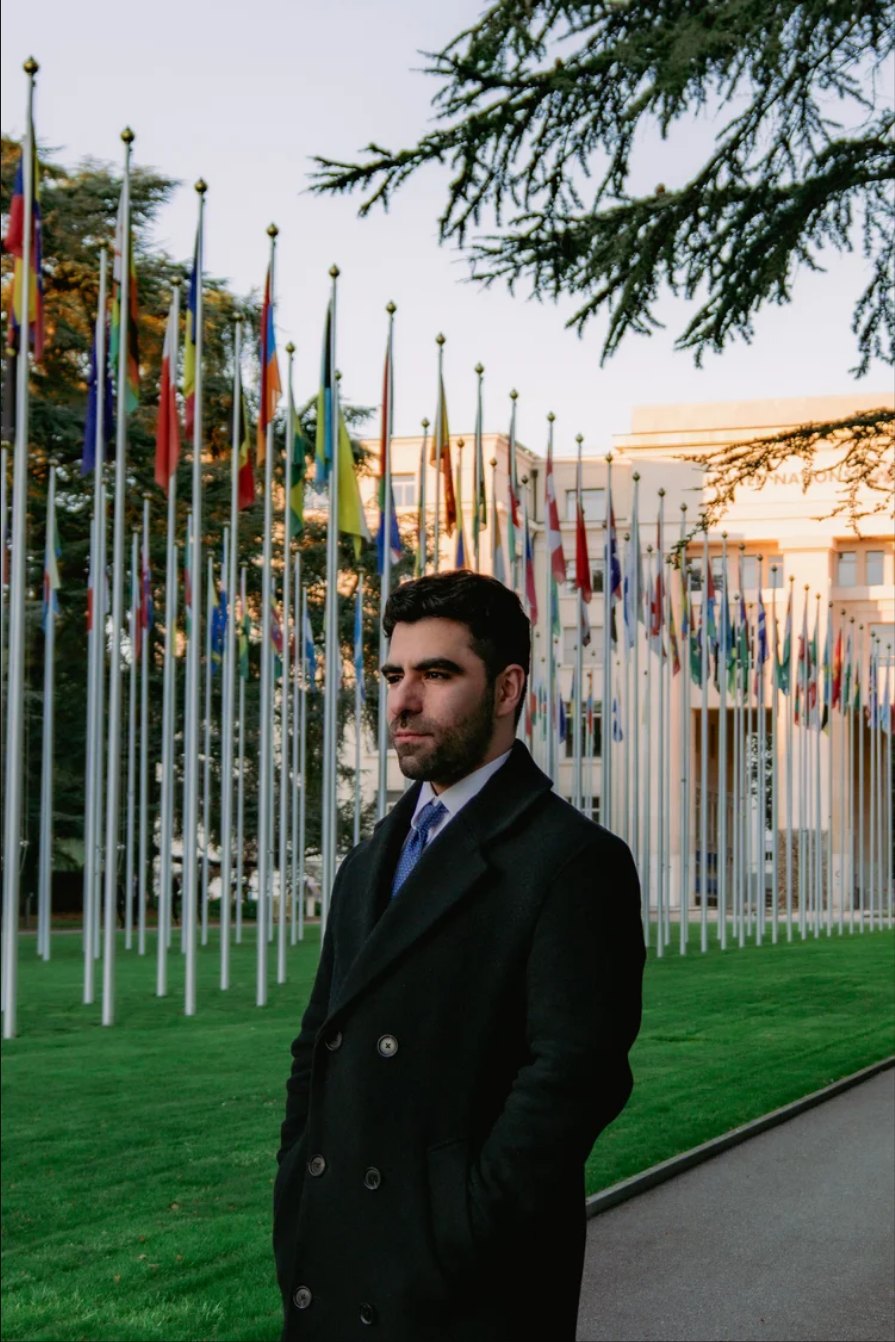
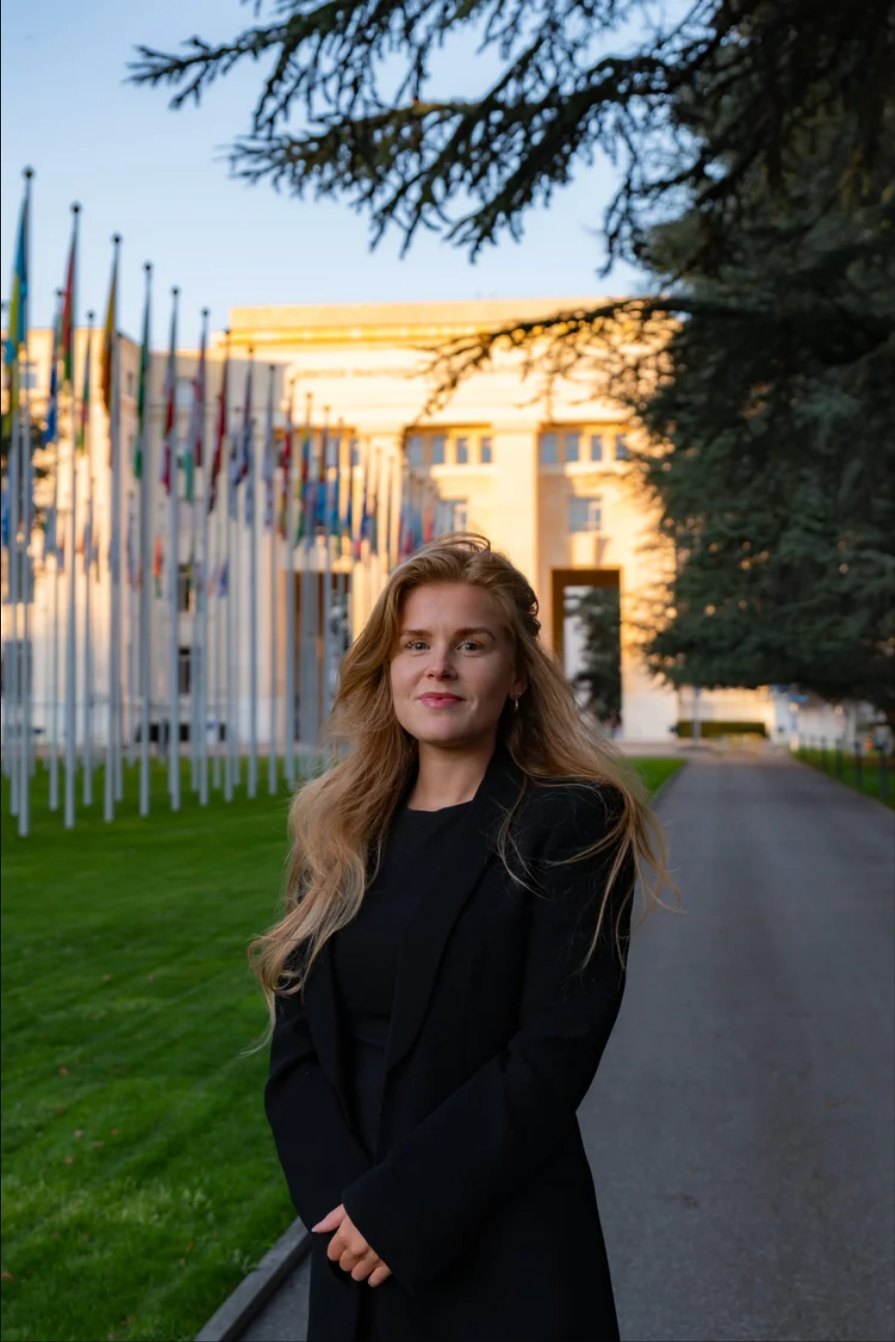
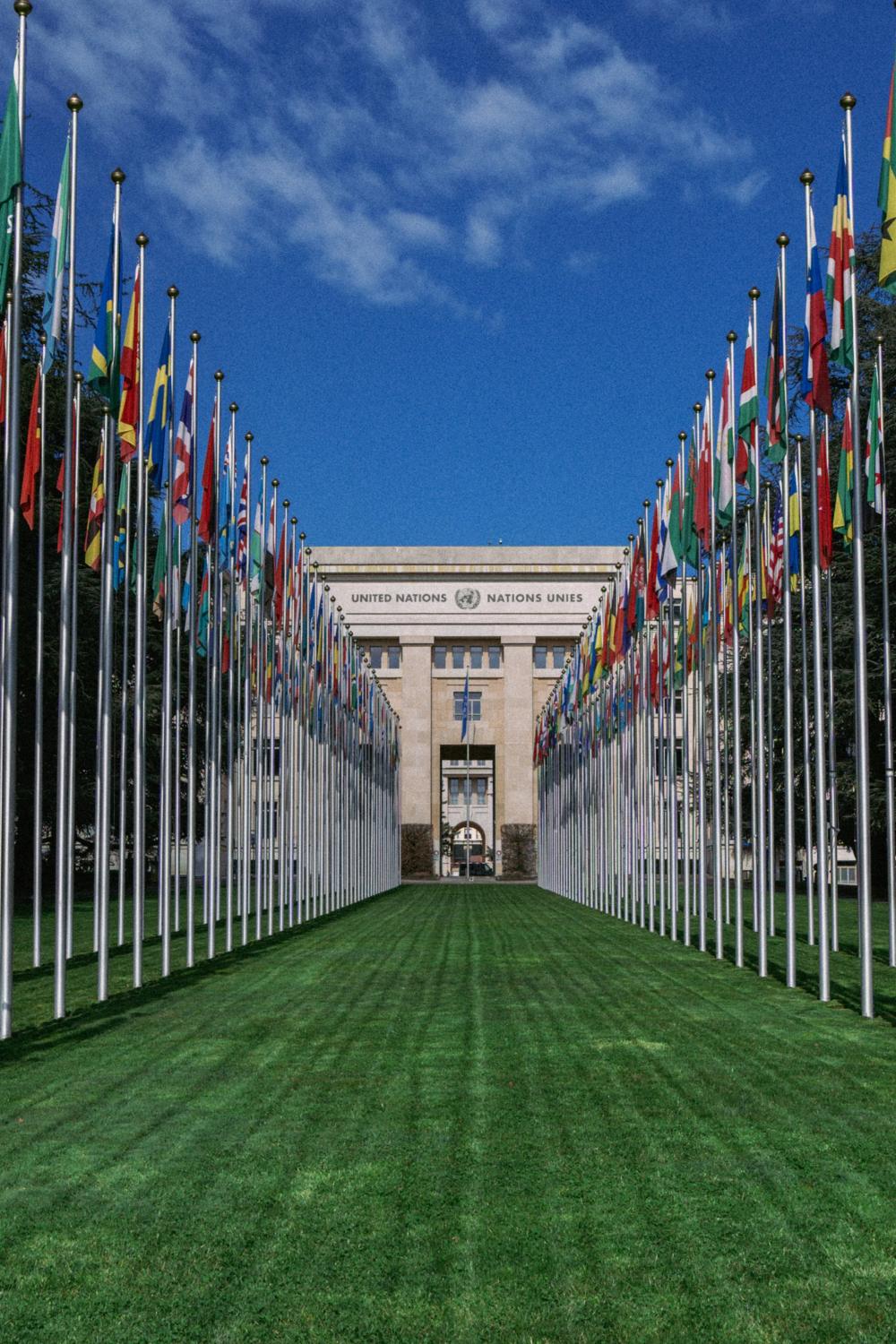
Our legal experts contribute to international vehicle emissions regulation at the United Nations Economic Commission for Europe in Geneva, and we have engaged directly with regulators in the United Kingdom.
Our regulatory workA sister initiative applying our legal method to the protection of wildlife and nature.
Find out more New Delhi, India. Saakshi Yadav.
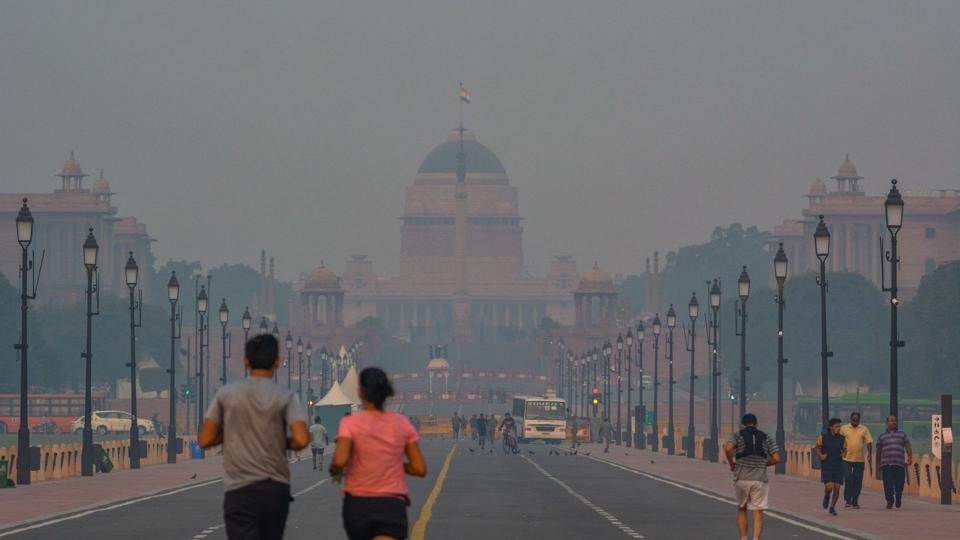
Almost everyone on earth breathes air that fails the World Health Organization's guidelines. The law recognises a clean environment as a human right. Our work is to make that right real.
Air pollution was linked to 7.9 million deaths in 2023. That is about one in every eight deaths worldwide.
It is now the second leading risk factor for early death worldwide. According to the World Health Organization, 99% of people breathe air that exceeds its guideline limits.
Sources: State of Global Air 2025, Health Effects Institute and Institute for Health Metrics and Evaluation. World Health Organization.
Fine particles are small enough to cross from the lungs into the blood. From there they reach the heart, the brain and every other organ.
No organ is out of reach, and no age is safe. The harm begins before birth and builds over a lifetime.
Most deaths from outdoor air pollution are caused by heart disease and stroke. Air pollution contributes to about one in four deaths from heart disease worldwide.
Air pollution contributes to about half of all deaths from chronic obstructive pulmonary disease. Outdoor air pollution has been classified as a cause of lung cancer since 2013.
For the first time, the 2025 State of Global Air report measured the link with dementia. It found that air pollution contributes to more than one in four dementia deaths.
More than 700,000 children under five died from causes linked to air pollution in 2021. It is the second leading risk factor for death in that age group, after malnutrition.
Long term exposure to fine particles has been linked to adverse outcomes around birth. The harm can begin before a child takes a first breath.
Nearly nine in ten deaths from air pollution occur in low and middle income countries. Those who contribute least to the problem often suffer most from it.
Sources: State of Global Air 2024 and 2025. World Health Organization. UNICEF.
 Aryan Kumar.
A clean, healthy and sustainable environment isa precondition for the enjoyment of many human rights.
The International Court of Justice, in its 2025 advisory opinion, naming the rights to life and to health among them.
The engines, fires and chimneys that pollute our air are, for the most part, the same sources that are warming the planet.
Some air pollutants, such as black carbon and ground level ozone, heat the atmosphere directly. Ozone also damages crops and forests, and nitrogen pollution upsets the balance of rivers, soils and wild habitats.
This means that action on air pollution pays twice. Lives are saved now, and the world our children inherit is safer.
Cleaner vehicles, cleaner fuels and better handling of waste are proven and available. Many countries already require them by law, but not all, and not always well enough.
Where the law falls short, we work to close the gaps. Where good rules exist but are not followed, we work to see them enforced. Every rule that is well made and properly applied means cleaner air for the people who live under it.
Clean Air Association was founded on 27 April 2020. It grew out of years of independent work by its members on emissions from the automotive sector.
Along the way our members built working relationships with other organisations, media, regulators, experts, stakeholders, and local communities.
Today our work reaches from clean air to vehicle recycling and the circular economy, and from Europe to the regions where environmental protection is most urgently needed.
We campaign and inform, so that the public and decision makers understand what is at stake.
We carry out independent research that stands up to legal and technical scrutiny.
We review how environmental laws are applied and seek their full and effective enforcement.
Solicitors, an economist and a paralegal, based in London, Europe and South Africa.
Chairman and Founder
Solicitor specialising in automotive regulation, with particular expertise in emissions and end-of-life vehicle frameworks. Armin represents the association as its expert at the United Nations Working Party on Pollution and Energy. He studied European Law at Maastricht University and English Law at the University of Sheffield.
armin.arian@cleanairassociation.orgSolicitor of England and Wales, authorised and regulated by the SRA in a personal capacity.
Director
Solicitor specialising in international environmental and human rights law. Katie holds a Bachelor of Laws (LLB) and an LPC LLM, and previously worked in the legal team of Save the Children International. She leads our international partnerships and is the contact for our work on wildlife and nature.
katie.gauntlett@cleanairassociation.orgSolicitor of England and Wales, authorised and regulated by the SRA in a personal capacity.
 Director
Economist with undergraduate and postgraduate degrees from Erasmus University Rotterdam, now completing a doctorate in public economics. Jakub brings policy analysis and statistics to our quantitative work on emissions and regulation.
 Volunteer Paralegal
Thiane supports our legal, research and correspondence work. She holds a degree in International Business and is completing a Master of Laws in International and Commercial Dispute Resolution at the University of Westminster.
We welcome approaches from lawyers, scientists, engineers, economists and students who would like to volunteer, collaborate or be seconded to our work.
Get in touchWe answer to the public interest and to the evidence.
We work from reliable sources and check our facts. If you believe we have made an error, please tell us and we will look at it.
We are committed to equality and oppose discrimination in all its forms. The ends do not justify the means.
Clean Air Association is a company limited by guarantee, registered in England and Wales under number 12572271.
Our work is funded through grants, donations and our consultancy services.
 Tom Fisk.
Informed reform and enforcement, from specialists in vehicle emissions, end-of-life vehicles and the waste they create.
Around 6.5 million vehicles reach the end of their life in the European Union every year. Each one contains steel, aluminium, plastics, glass and hazardous substances that must be dealt with properly.
The law is clear about what should happen. Vehicles must be designed so that their parts and materials can be dismantled, reused and recycled. On average, at least 85% of vehicle weight must be reused or recycled, and at least 95% reused or recovered. A new European Union regulation, applying from 2028, raises the bar further.
Few lawyers work in this field. We have investigated it for over four years, and it is the centre of our work today.
Vehicles must be designed and produced so as to be reusable and/or recyclable to a minimum of 85% by mass, and reusable and/or recoverable to a minimum of 95% by mass.
Collection, depollution, dismantling and the handling of hazardous materials.
Measuring a vehicle's environmental impact from production to disposal.
Recycled content, producer responsibility and the new European framework.
Illegal dismantling, open burning, the export of old vehicles as waste, and the pollution they release into the air.
White paper in preparation. Clean Air Association is preparing a white paper on the end-of-life vehicle framework, which we will publish soon.
A vehicle that is treated properly is drained of its fluids, dismantled and recycled. One that goes missing may be stripped in the open, with its plastics, tyres and cables burned to recover metal and its fluids poured away. The smoke carries fine particles, black carbon and toxic compounds into the air of the communities nearby.
Scroll sideways to see the whole diagram.
Sources: European Commission, European Commission study by Oeko-Institut, UN Environment Programme and UN Environment Programme.
Road transport is one of the main sources of the air pollution people breathe in towns and cities. We work to make sure vehicles meet the standards the law requires, in the laboratory and on the road.
In 2015, the Dieselgate scandal revealed diesel cars fitted with software that switched emissions controls fully on only during official tests. On the road, regulators in the United States found they emitted up to 40 times the permitted level of nitrogen oxides.
Nitrogen oxides irritate the airways, can worsen asthma, and help form the fine particles and ozone that damage the heart and lungs. The problem was not confined to one manufacturer. A study published in Nature found that diesel vehicles in 11 major markets emitted far more nitrogen oxides on the road than their certification limits allowed, and linked those excess emissions to about 38,000 early deaths worldwide in 2015.
Dieselgate showed how far a vehicle on the road can depart from its test results, and why independent scrutiny matters. The questions it raised about defeat devices remain at the heart of our regulatory work.
Sources: United States Environmental Protection Agency and Anenberg and others, Nature (2017).
For eight years our members have investigated potential breaches of emissions rules for light vehicles, including defeat devices in diesel vehicles that increase emissions of nitrogen oxides, and shortcomings in hybrid vehicles.
We have engaged directly with regulators in the United Kingdom, and we share what we find with industry, legal and technical experts, academics, the press and other organisations. Throughout, we press for stronger oversight.
We contribute to the Working Party on Pollution and Energy (GRPE) of the United Nations Economic Commission for Europe (UNECE), whose vehicle regulations are applied in dozens of countries, and we table formal proposals to strengthen them. We have now applied for consultative status with the United Nations Economic and Social Council (ECOSOC), which would open the wider United Nations system to our work.
At the Working Party's 86th session (30 May to 2 June 2022), we introduced a proposal to tighten the definition of a defeat device in UN Global Technical Regulation No. 15 (GRPE-86-20). At its 87th session (10 to 13 January 2023), we introduced a related proposal under UN Regulation No. 83 (GRPE-87-25). Both documents are published by the UNECE.
We are developing a sister initiative that will bring the same legal method to the protection of wildlife and the natural environment. If you would like to hear more or help shape it, please contact Katie Gauntlett.
Developments in air quality, vehicle emissions and environmental law, with plain explanations from our team.

From 29 November 2026, new types of cars and vans must meet the European Union's Euro 7 standard to be approved for sale. For the first time the rules cover particles from brakes and tyres as well as exhaust gases, and vehicles must stay compliant for longer. The standard extends to all new cars and vans a year later.
Great Britain will follow. In October the UK government confirmed it will adopt Euro 7, with all new cars and vans registered from 29 November 2027 required to comply.
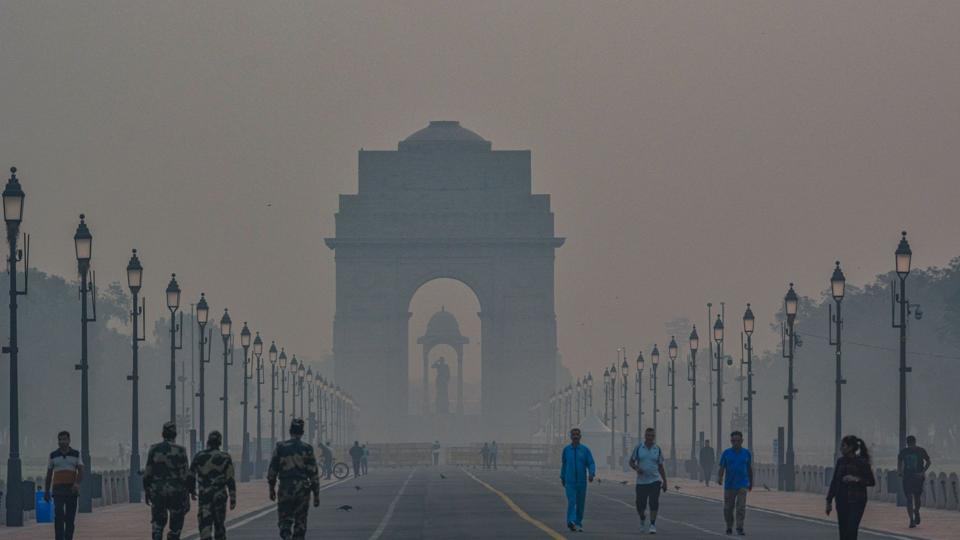
Having called vehicle emissions a major contributor to the capital's recurring air crisis, the court discussed allowing only vehicles that meet the latest BS-VI standard in Delhi and the wider region. No order has been made yet. Punjab, Haryana, Uttar Pradesh and Rajasthan have been asked to report on the steps they have taken.
The Ghana Standards Authority is now strictly enforcing its vehicle conformity programme. Used vehicles must be checked against Ghana's safety, quality and environmental standards before shipment, to keep unsafe and environmentally harmful vehicles off its roads. The authority stresses that this is not a ban on used vehicles.
Source: MyJoyOnlineRegulation (EU) 2026/1738, on circularity requirements for vehicle design and the management of end-of-life vehicles, is now in force and will apply from 2028. Vehicles must be designed for dismantling, reuse and recycling. The existing directive continues to apply until then.
Source: European Commission
The World Forum for Harmonization of Vehicle Regulations adopted a new 09 series of amendments to UN Regulation No. 83. The text defines manipulation devices and manipulation strategies, and adds an annex on how their absence must be shown.
Source: ECE/TRANS/WP.29/2026/25Our monthly newsletter brings you the latest on clean air, emissions and environmental law. No spam, and you can unsubscribe at any time.
Until now our work has been carried out entirely by volunteers. With your support, we can do far more of it.
Grants allow us to plan ahead, take on larger investigations and stay in the room where rules are made. We are glad to share our strategy, budget and governance documents.
Talk to us about fundingEvery contribution goes towards our legal work and research. To make a donation, please write to us and we will send you the details.
Ask how to donatePro bono support from law firms, laboratories, engineers and communications professionals multiplies what we can achieve.
Offer your skillsTell us what you are working on, and we will make sure your message reaches the right person.
Writing about air quality or vehicle regulation? We can provide background, comment and plain explanations of the law. Please mention your deadline when you write.
If you believe anything on this website is inaccurate, please let us know and we will review it.
Last updated 24 November 2026.
Clean Air Association is a company limited by guarantee registered in England and Wales under number 12572271, with its registered office at 7 Bell Yard, London WC2A 2JR. We are the controller of the personal information described in this policy, and we are registered with the Information Commissioner's Office (ICO), the UK data protection regulator. You can reach us at info@cleanairassociation.org.
We ask you not to send us sensitive personal information unless it is necessary for your enquiry.
We do not sell personal information. We share it only with our directors and team members who need it, and with service providers who help us run this website, our email and our newsletter, under terms that protect it. We may disclose information where the law requires us to.
Members of our team work from the United Kingdom, the European Union and South Africa, and some of our service providers are based abroad. Where personal information is transferred outside the United Kingdom, we take steps to ensure it is protected in line with data protection law.
We keep enquiries for up to two years after our last contact with you, newsletter details until you unsubscribe, and financial records for as long as the law requires.
You have the right to ask for a copy of your personal information, to have it corrected or deleted, to object to or restrict our use of it, and to withdraw consent. To exercise any of these rights, write to info@cleanairassociation.org. You also have the right to complain to the Information Commissioner's Office at ico.org.uk.
This website does not use advertising or tracking cookies, and we do not use analytics that identify you. If that changes, we will update this notice and ask for your consent before any cookie that is not strictly necessary is placed on your device.
We may update this policy from time to time. The date at the top of the page shows when it was last revised.
Last updated 24 November 2026.
This website is operated by Clean Air Association, a company limited by guarantee registered in England and Wales under number 12572271. Registered office: 7 Bell Yard, London WC2A 2JR, United Kingdom. Clean Air Association is registered with the Information Commissioner's Office as a data controller.
The content of this website is for general information only. It is not legal advice and should not be relied on as such. Reading this website or contacting us does not mean that we are acting for you. You should take advice from a suitably qualified professional about your own circumstances.
Clean Air Association is not a firm of solicitors and is not authorised or regulated by the Solicitors Regulation Authority (SRA).
Our solicitors are individually authorised and regulated by the SRA in a personal capacity.
Because Clean Air Association is not authorised by the SRA, the SRA Compensation Fund does not apply to our work.
Where we provide consultancy services, they consist of research, analysis, training and regulatory insight. Before any engagement begins, we agree written terms that explain how the services are regulated and which protections apply.
If you are unhappy with any part of our work, please write to info@cleanairassociation.org and a director will respond.
We take care to make sure that what we publish is accurate and up to date, but the law and the facts change, and we cannot guarantee that every page is complete or current. If you believe something is inaccurate, please tell us at info@cleanairassociation.org and we will review it.
We link to other websites for information. We are not responsible for their content. News items summarise reports published by others and link to the original source.
Unless stated otherwise, the content of this website belongs to Clean Air Association. Photographs and films by other creators are credited where they appear and are used under licence.
This notice is governed by the law of England and Wales.